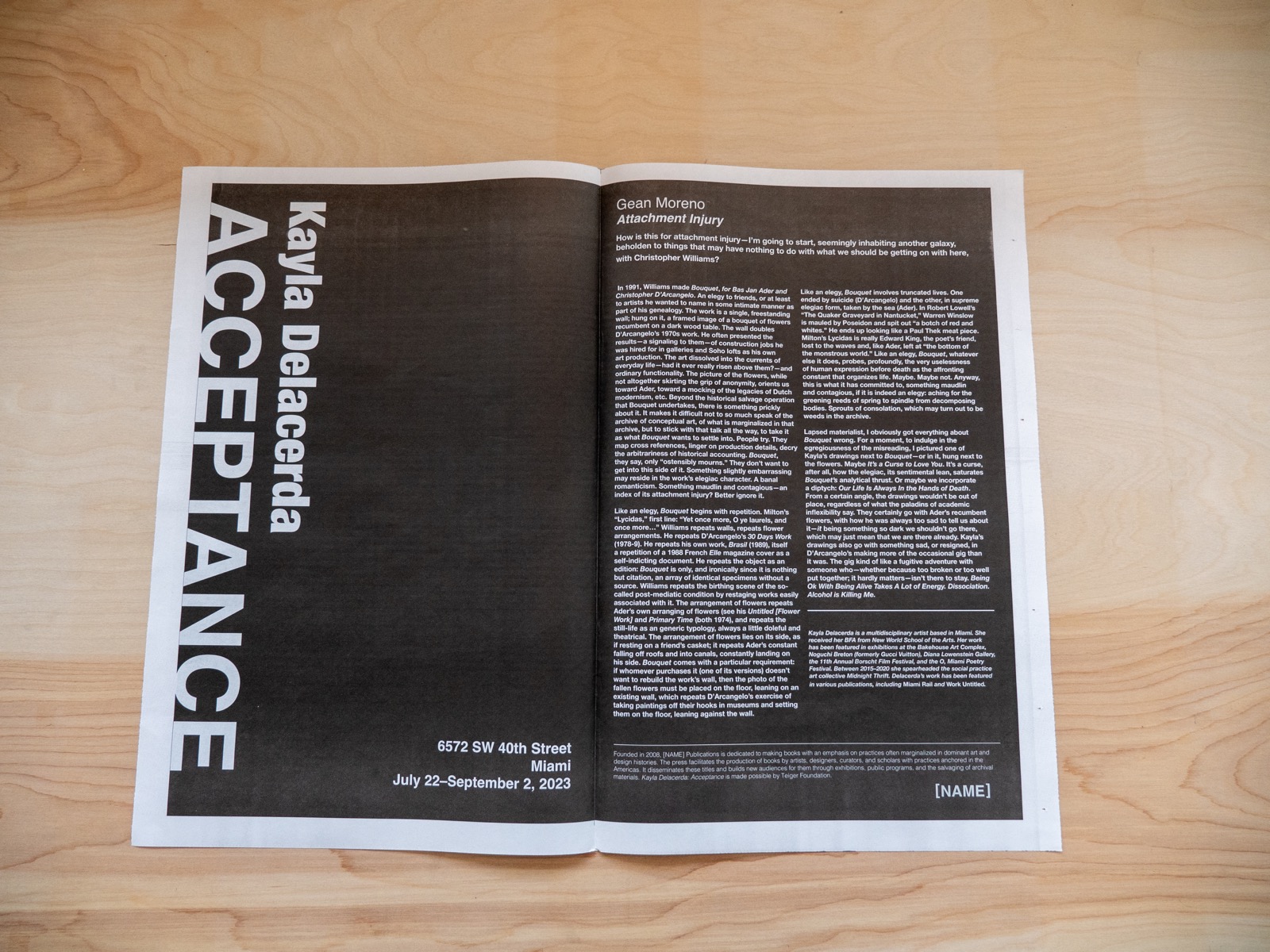
How is this for attachment injury—I’m going to start, seemingly inhabiting another galaxy, beholden to things that may have nothing to do with what we should be getting on with here, with Christopher Williams?
In 1991, Williams made Bouquet, for Bas Jan Ader and Christopher D’Arcangelo. An elegy to friends, or at least to artists he wanted to name in some intimate manner as part of his genealogy. The work is a single, freestanding wall; hung on it, a framed image of a bouquet of flowers recumbent on a dark wood table. The wall doubles D’Arcangelo’s 1970s work. He often presented the results—a signaling to them—of construction jobs he was hired for in galleries and Soho lofts as his own art production. The art dissolved into the currents of everyday life—had it ever really risen above them?—and ordinary functionality. The picture of the flowers, while not altogether skirting the grip of anonymity, orients us toward Ader, toward a mocking of the legacies of Dutch modernism, etc. Beyond the historical salvage operation that Bouquet undertakes, there is something prickly about it. It makes it difficult not to so much speak of the archive of conceptual art, of what is marginalized in that archive, but to stick with that talk all the way, to take it as what Bouquet wants to settle into. People try. They map cross references, linger on production details, decry the arbitrariness of historical accounting. Bouquet, they say, only “ostensibly mourns.” They don’t want to get into this side of it. Something slightly embarrassing may reside in the work’s elegiac character. A banal romanticism. Something maudlin and contagious—an index of its attachment injury? Better ignore it.
Like an elegy, Bouquet begins with repetition. Milton’s “Lycidas,” first line: “Yet once more, O ye laurels, and once more...” Williams repeats walls, repeats flower arrangements. He repeats D’Arcangelo’s 30 Days Work (1978-9). He repeats his own work, Brasil (1989), itself a repetition of a 1988 French Elle magazine cover as a self-indicting document. He repeats the object as an edition: Bouquet is only, and ironically since it is nothing but citation, an array of identical specimens without a source. Williams repeats the birthing scene of the so-called post-mediatic condition by restaging works easily associated with it. The arrangement of flowers repeats Ader’s own arranging of flowers (see his Untitled [Flower Work] and Primary Time (both 1974), and repeats the still-life as an generic typology, always a little doleful and theatrical. The arrangement of flowers lies on its side, as if resting on a friend’s casket; it repeats Ader’s constant falling off roofs and into canals, constantly landing on his side. Bouquet comes with a particular requirement: if whomever purchases it (one of its versions) doesn’t want to rebuild the work’s wall, then the photo of the fallen flowers must be placed on the floor, leaning on an existing wall, which repeats D’Arcangelo’s exercise of taking paintings off their hooks in museums and setting them on the floor, leaning against the wall.
Like an elegy, Bouquet involves truncated lives. One ended by suicide (D’Arcangelo) and the other, in supreme elegiac form, taken by the sea (Ader). In Robert Lowell’s “The Quaker Graveyard in Nantucket,” Warren Winslow is mauled by Poseidon and spit out “a botch of red and whites.” He ends up looking like a Paul Thek meat piece. Milton’s Lycidas is really Edward King, the poet’s friend, lost to the waves and, like Ader, left at “the bottom of the monstrous world.” Like an elegy, Bouquet, whatever else it does, probes, profoundly, the very uselessness of human expression before death as the affronting constant that organizes life. Maybe. Maybe not. Anyway, this is what it has committed to, something maudlin and contagious, if it is indeed an elegy: aching for the greening reeds of spring to spindle from decomposing bodies. Sprouts of consolation, which may turn out to be weeds in the archive.
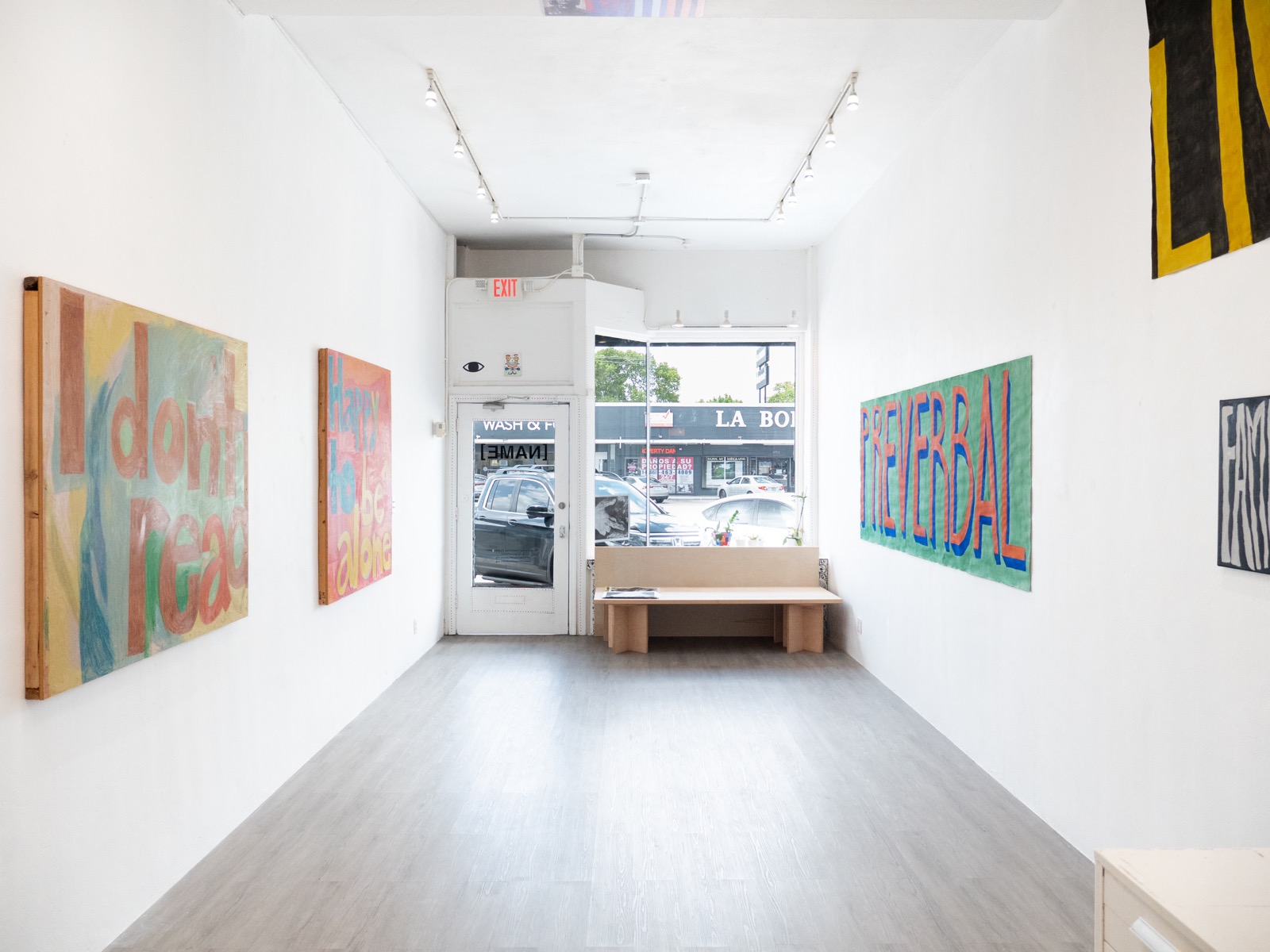
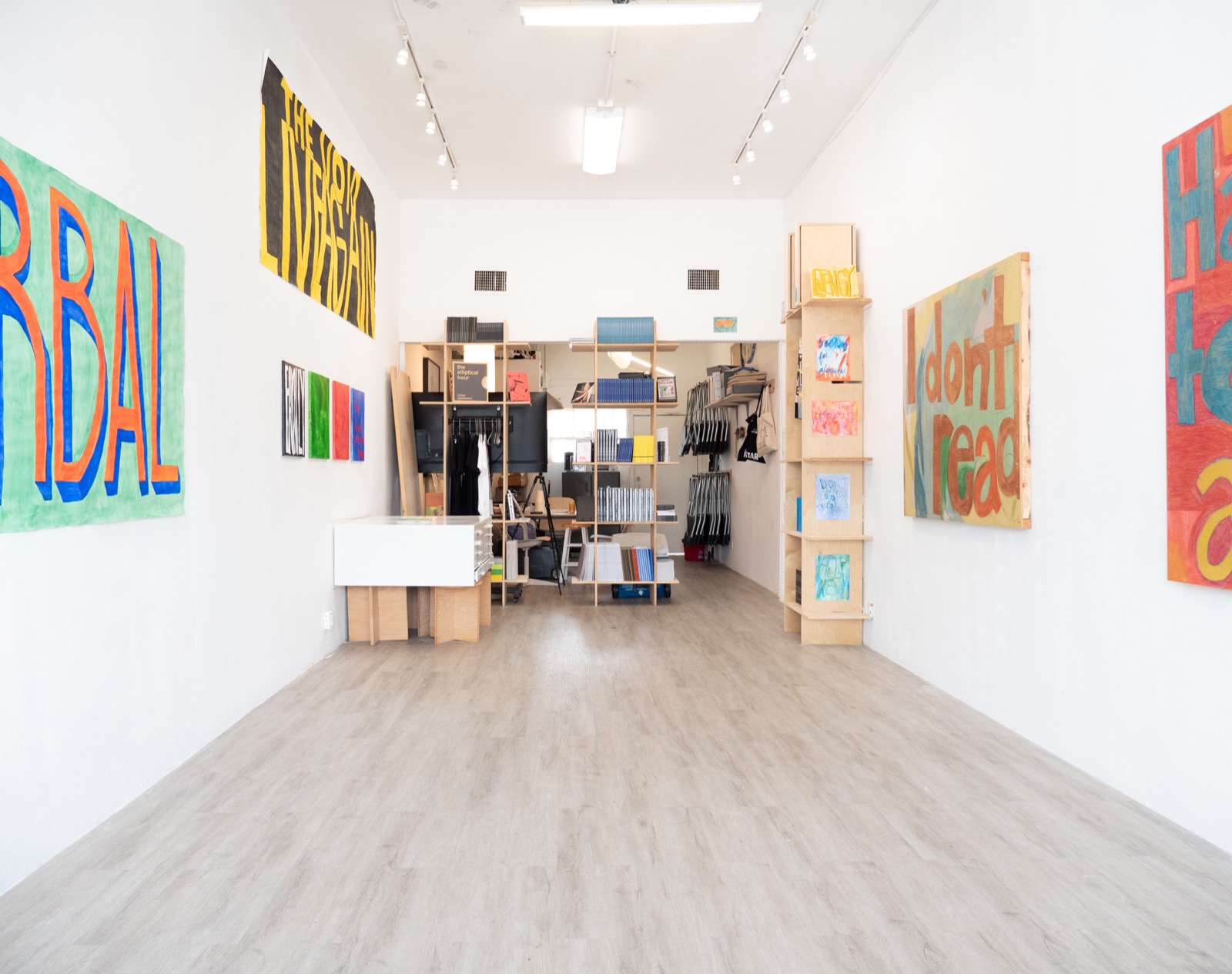
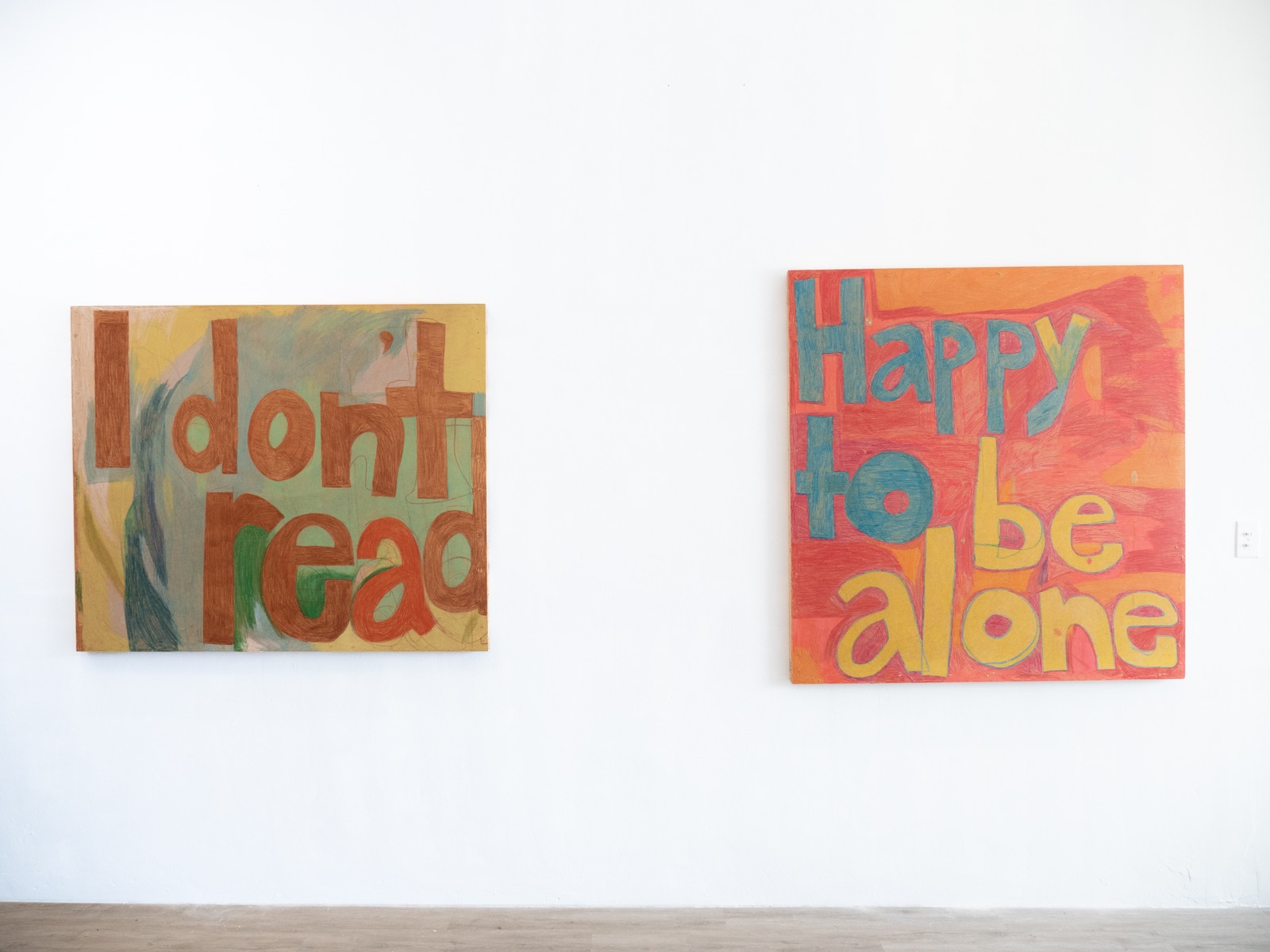
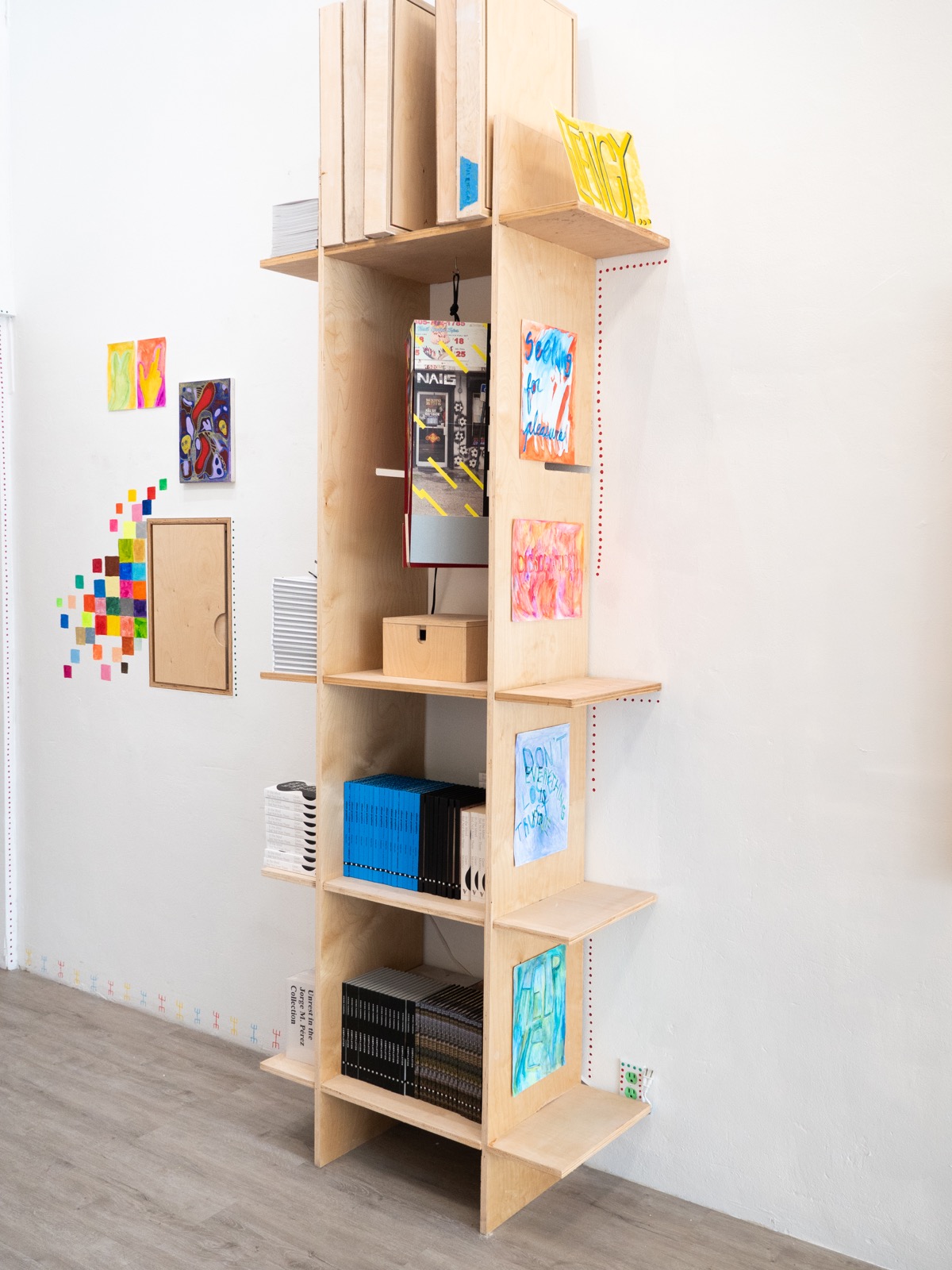
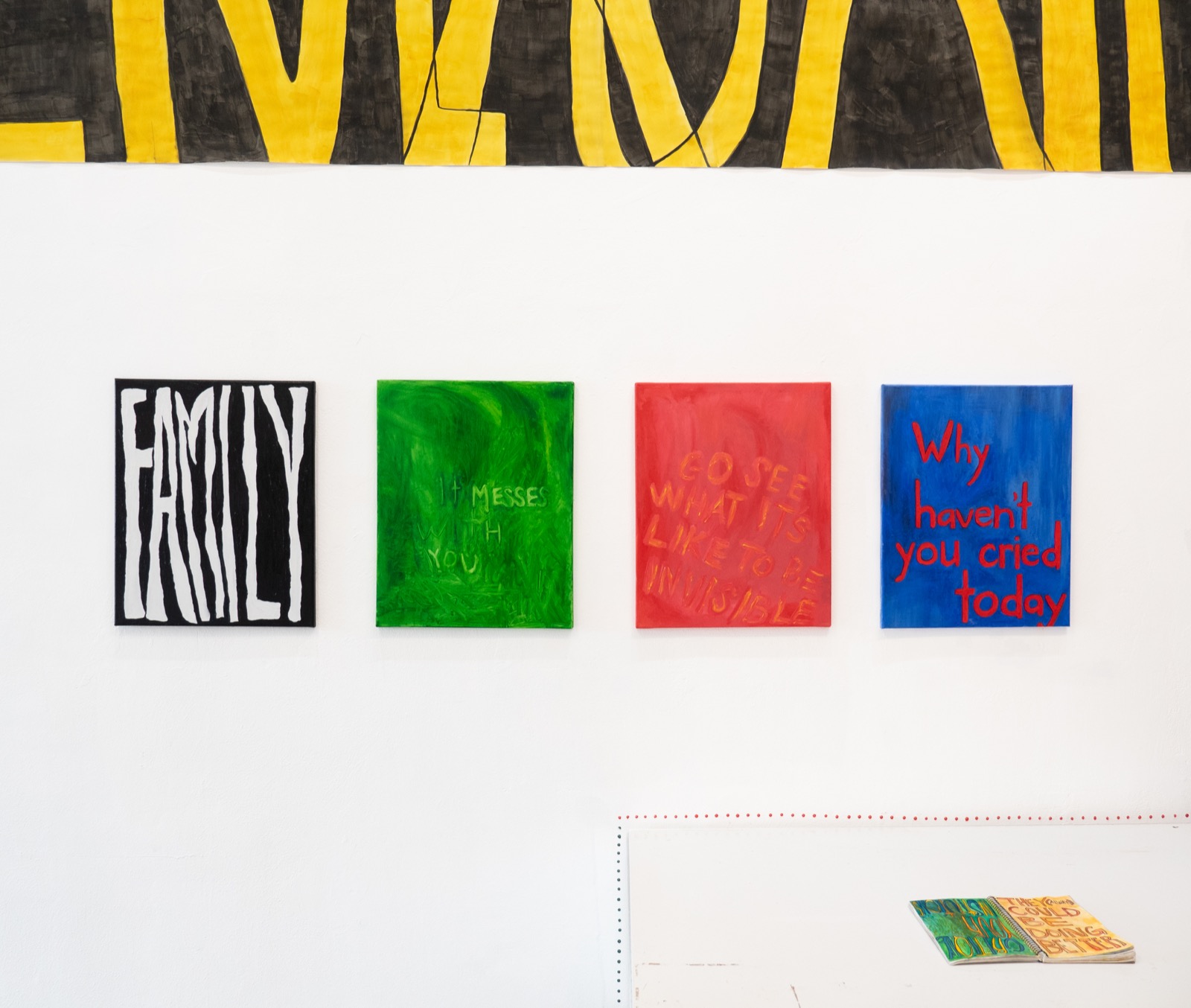
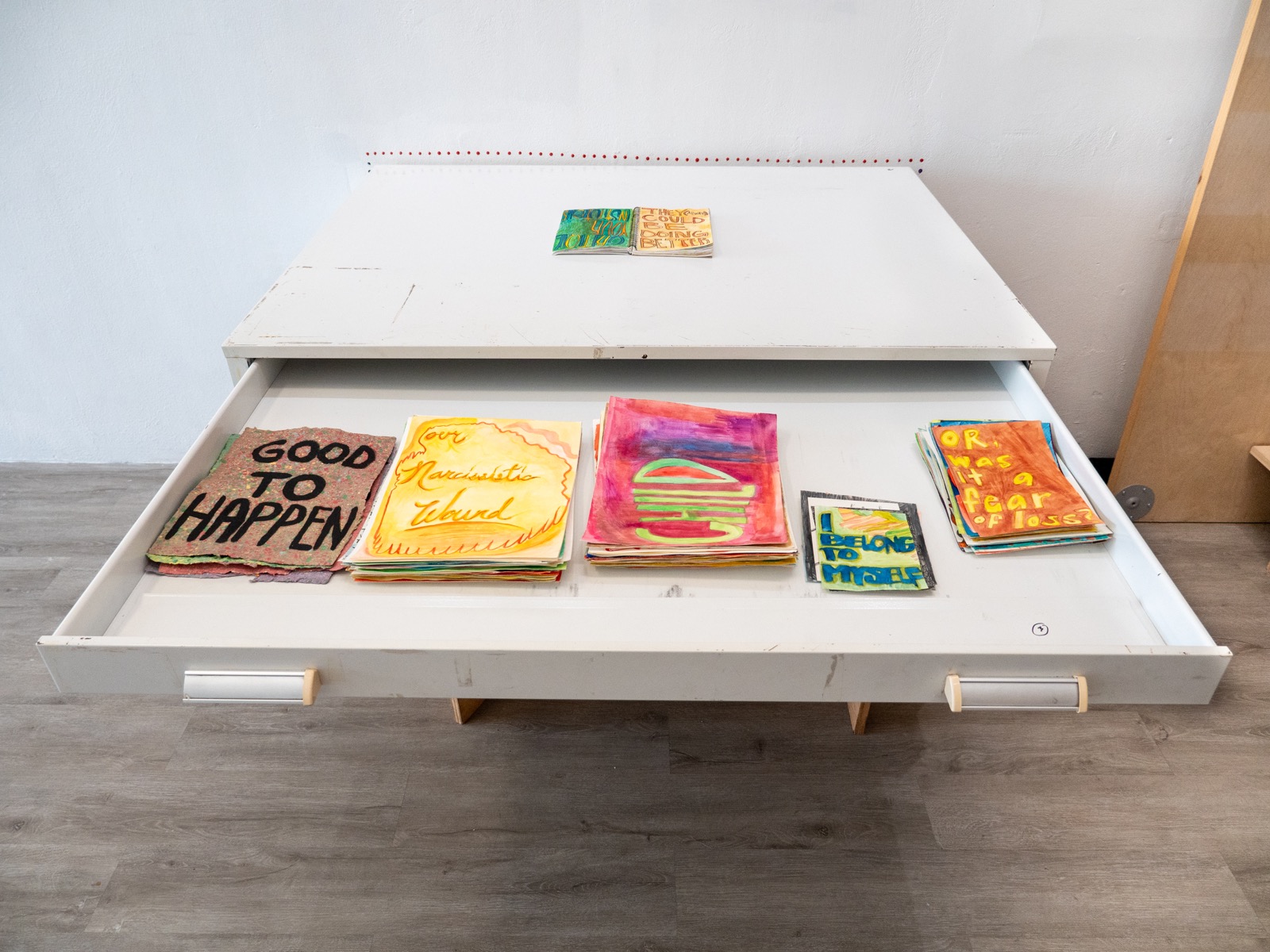
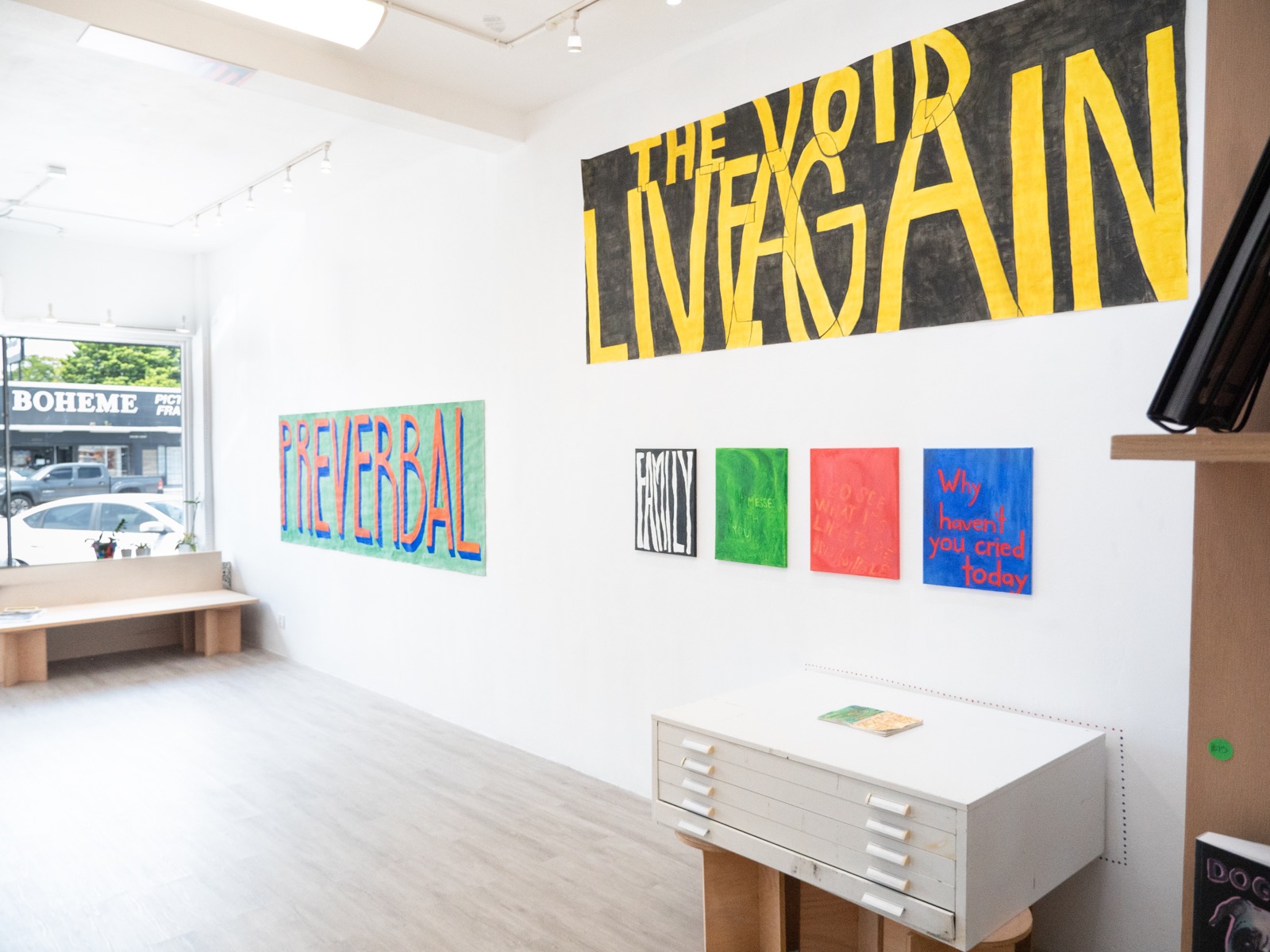
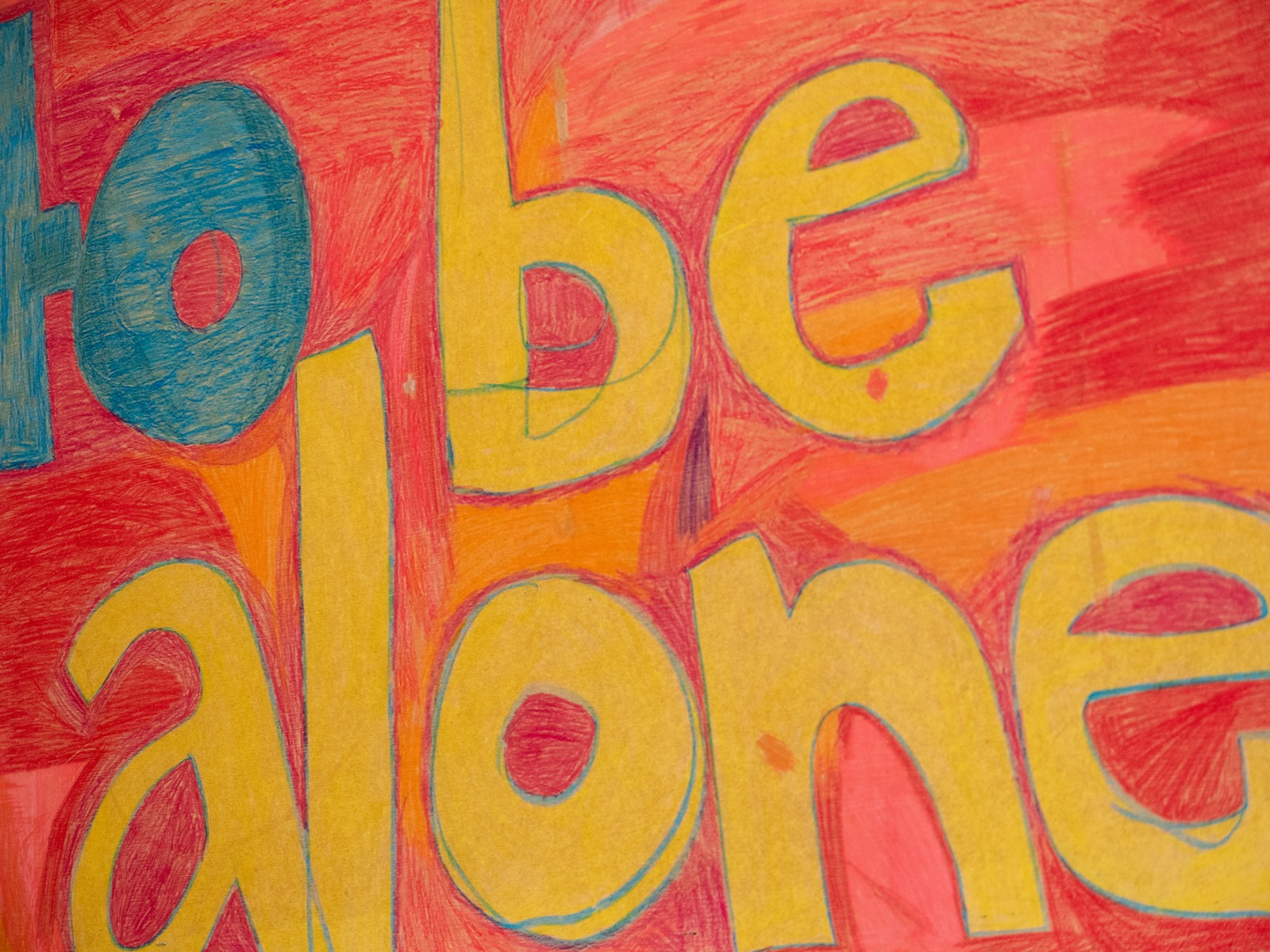
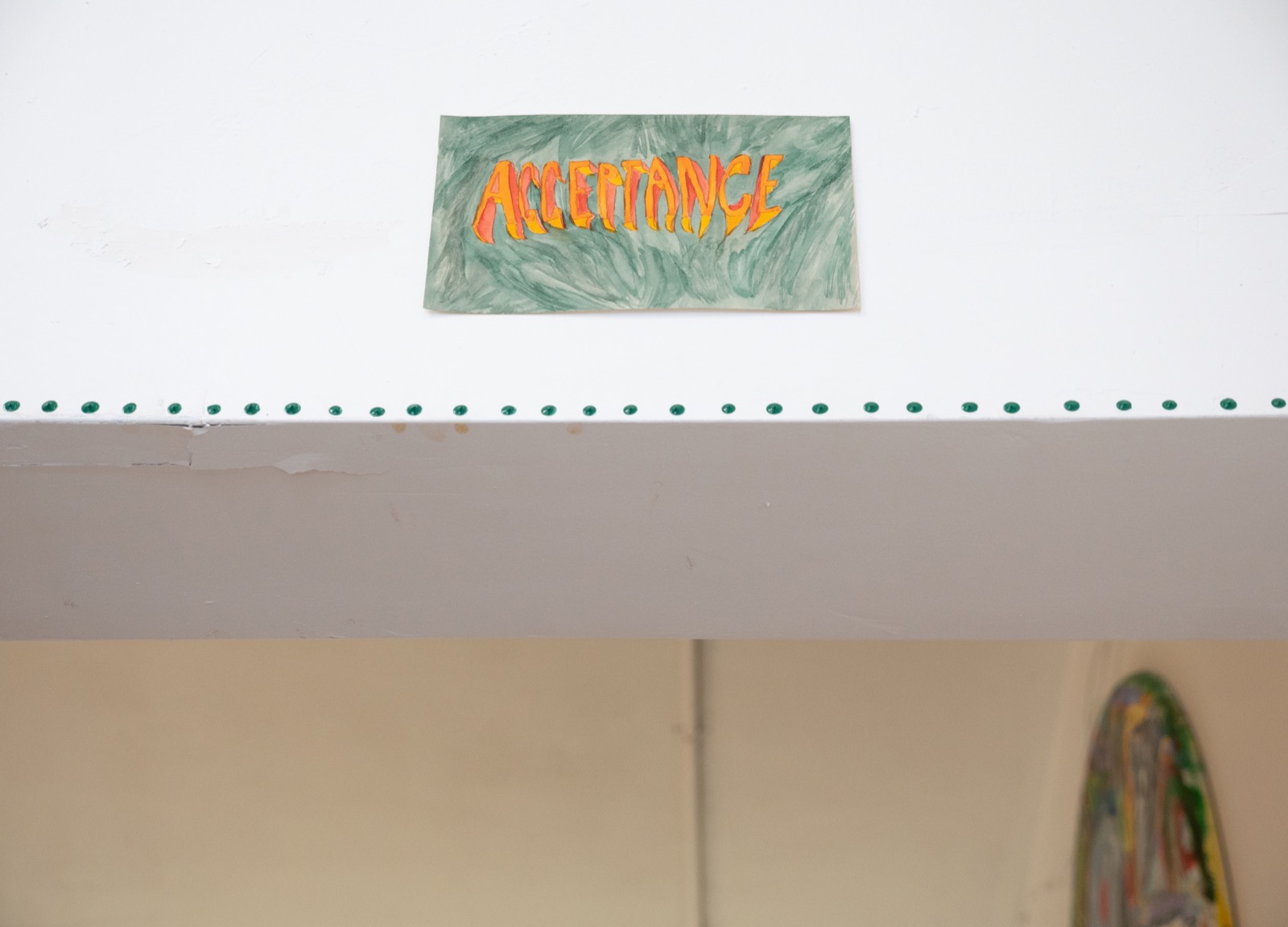
Lapsed materialist, I obviously got everything about Bouquet wrong. For a moment, to indulge in the egregiousness of the misreading, I pictured one of Kayla’s drawings next to Bouquet—or in it, hung next to the flowers. Maybe It’s a Curse to Love You. It’s a curse, after all, how the elegiac, its sentimental lean, saturates Bouquet’s analytical thrust. Or maybe we incorporate a diptych: Our Life Is Always In the Hands of Death. From a certain angle, the drawings wouldn’t be out of place, regardless of what the paladins of academic inflexibility say. They certainly go with Ader’s recumbent flowers, with how he was always too sad to tell us about it—it being something so dark we shouldn’t go there, which may just mean that we are there already. Kayla’s drawings also go with something sad, or resigned, in D’Arcangelo’s making more of the occasional gig than it was. The gig kind of like a fugitive adventure with someone who—whether because too broken or too well put together; it hardly matters—isn’t there to stay. Being Ok With Being Alive Takes A Lot of Energy. Dissociation. Alcohol is Killing Me.
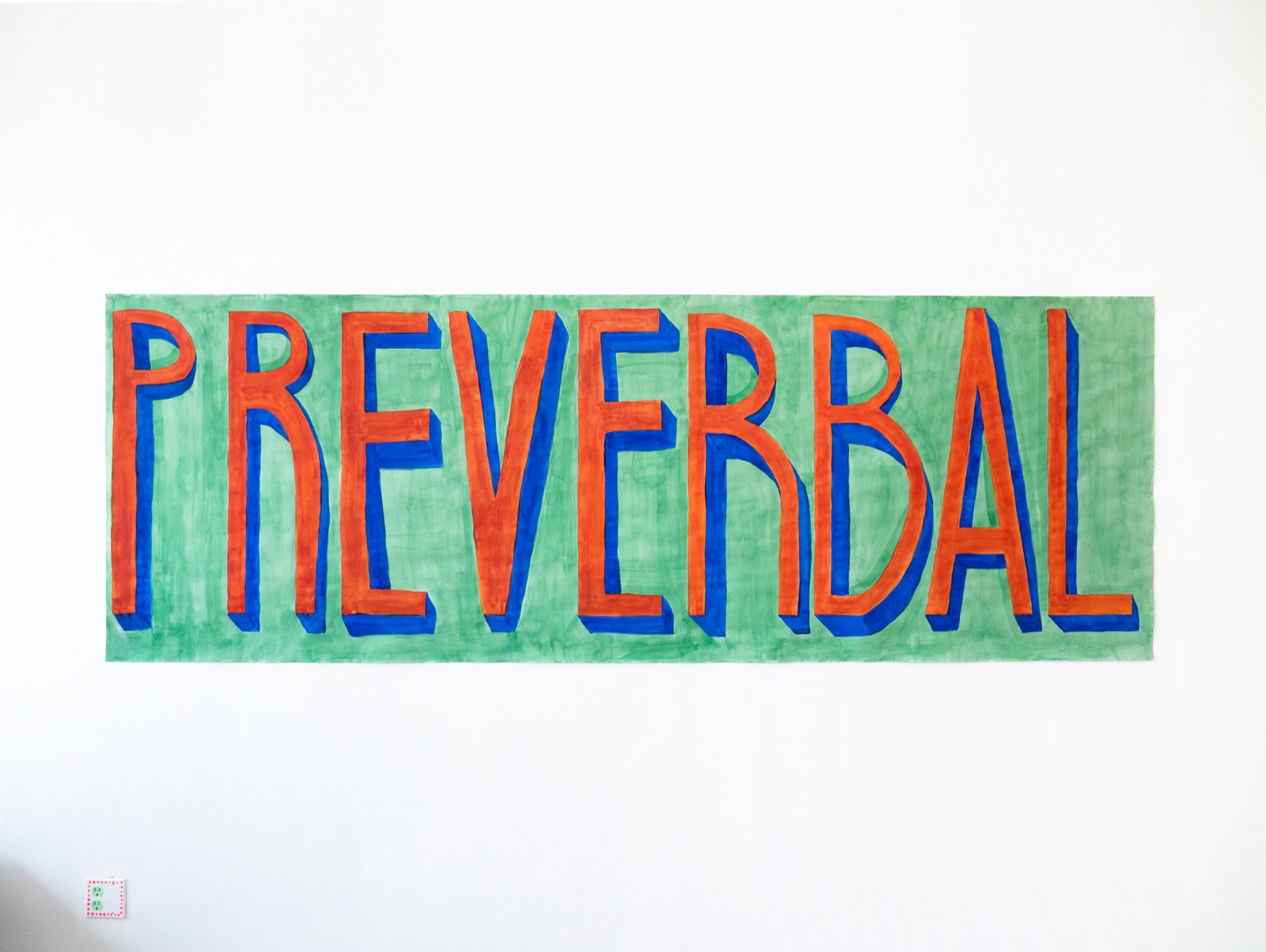
Kayla Delacerda is a multidisciplinary artist based in Miami. She received her BFA from New World School of the Arts. Her work has been featured in exhibitions at the Bakehouse Art Complex, Noguchi Breton (formerly Gucci Vuitton), Diana Lowenstein Gallery, the 11th Annual Borscht Film Festival, and the O, Miami Poetry Festival. Between 2015–2020 she spearheaded the social practice art collective Midnight Thrift. Delacerda’s work has been featured in various publications, including Miami Rail and Work Untitled.
Founded in 2008, [NAME] Publications is dedicated to making books with an emphasis on practices often marginalized in dominant art and design histories. The press facilitates the production of books by artists, designers, curators, and scholars with practices anchored in the Americas. It disseminates these titles and builds new audiences for them through exhibitions, public programs, and the salvaging of archival materials. Kayla Delacerda: Acceptance is made possible by Teiger Foundation.